
 English

-
Aluminum Alloy Truss

-
Aluminum Alloy Stage
-
Chain Hoist
-
Concert Barricades
-
Aluminum Alloy DJ Console
-
LED Large Screen Frame
-
Truss Column Lifter
-
Bleacher Stands
-
Truss Base Trolley
-
Aluminum Line Array Speaker Rack
-
Aluminum Alloy Tent
-
Hand Crank Stand
-
Steel Scaffolding
-
Steel Barrier
-
Stage Lighting
-
Stage Backdrop
How to Build a Layered Lighting System
A well-developed lighting scheme for a music festival is typically divided into five functional zones—front lighting, side lighting, backlighting, effect lighting, and audience-interactive lighting—each serving a specific purpose to prevent a "flat" visual appearance or excessive glare:
1. FOH (Front-of-House) / Front Lighting Zone
Positioned on lighting trusses or dedicated towers in front of the audience area at an angle of approximately 45°, this zone primarily utilizes high-CRI (Color Rendering Index) LED wash fixtures and Fresnel lights. Its core function is to illuminate the performers' faces, ensuring natural skin tones for live broadcasts and photography, while counteracting the harsh shadows cast by overhead beam lights. During daytime performances, higher-output fixtures are required to overcome the intensity of natural ambient light.
2. Overhead / Main Truss Rigging Zone
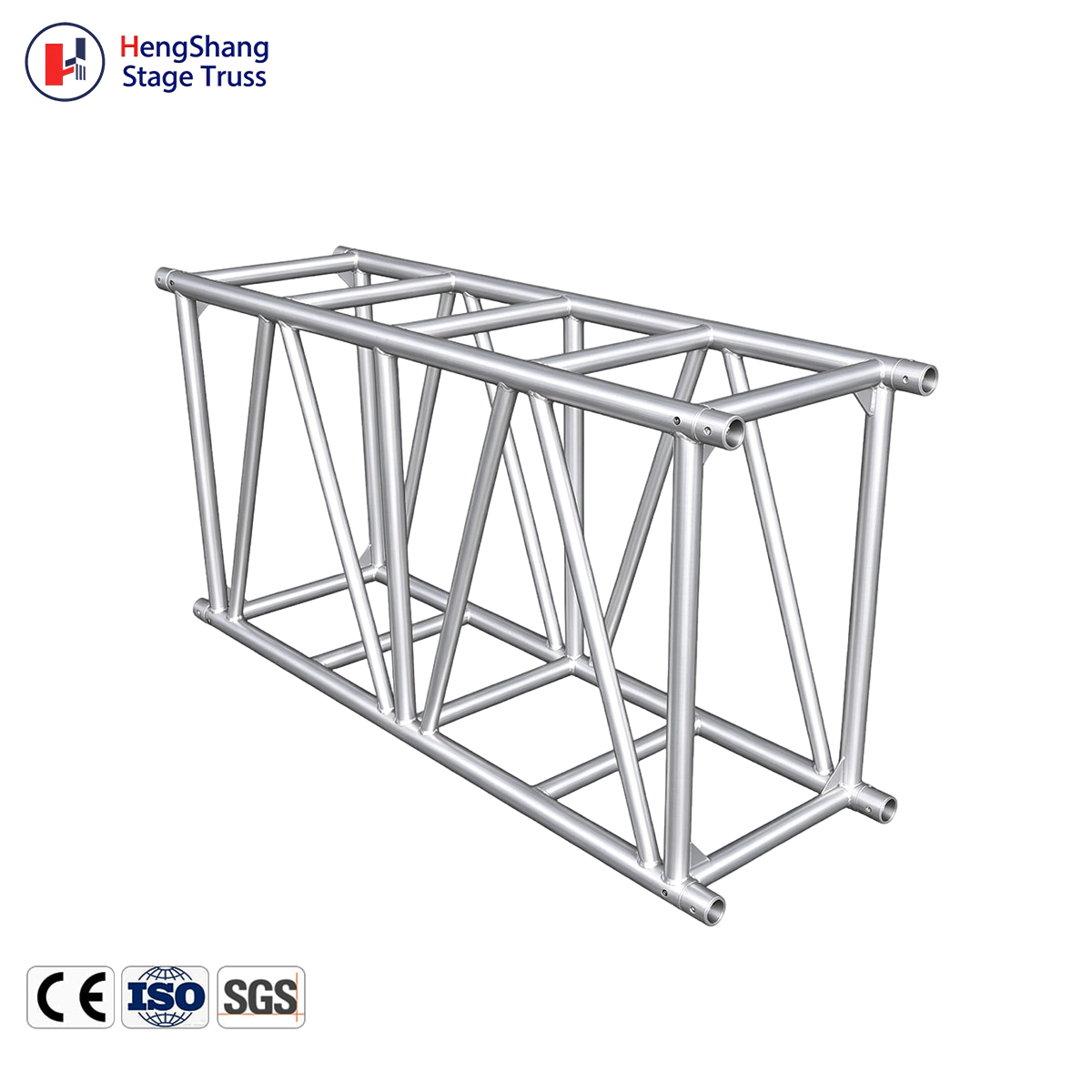
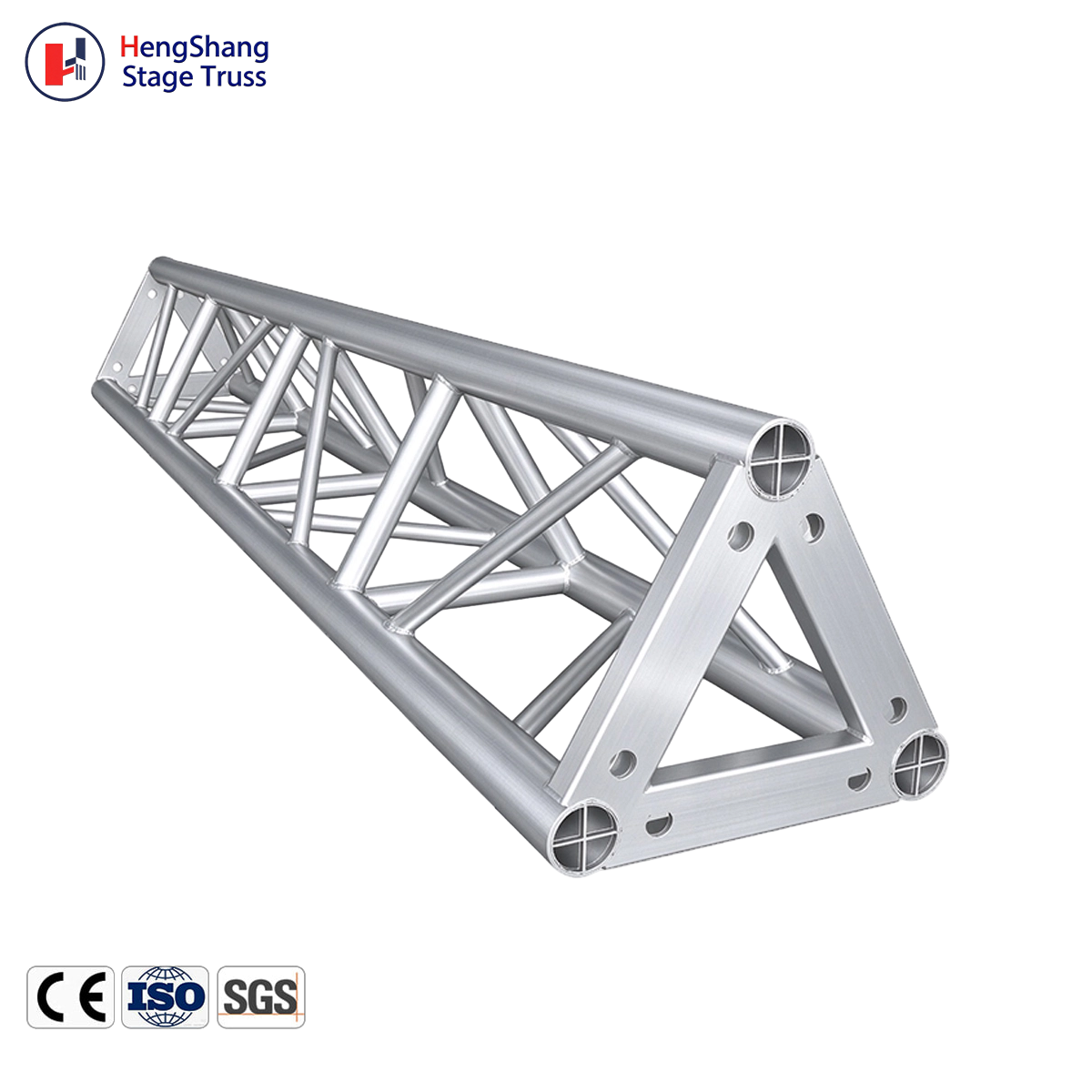
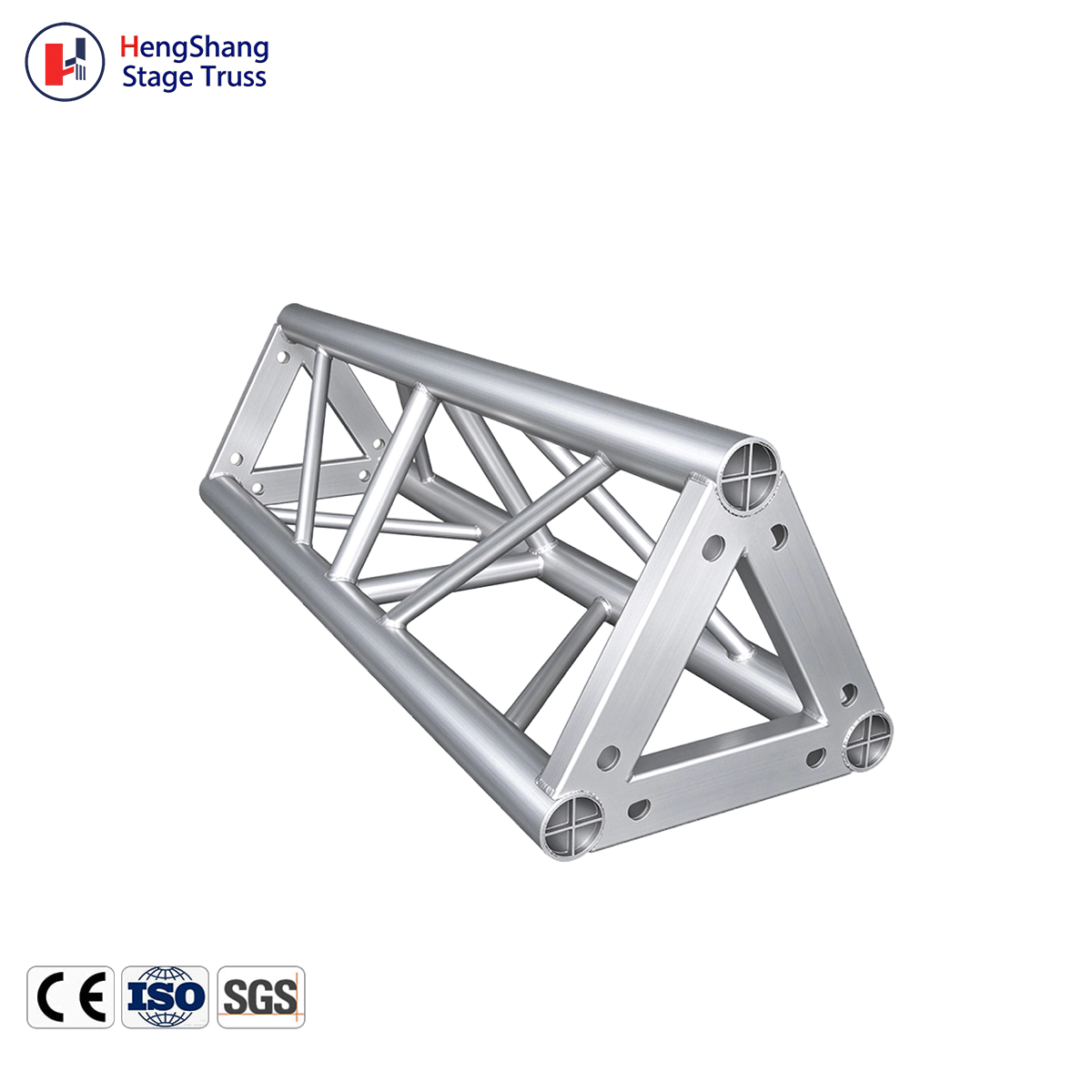
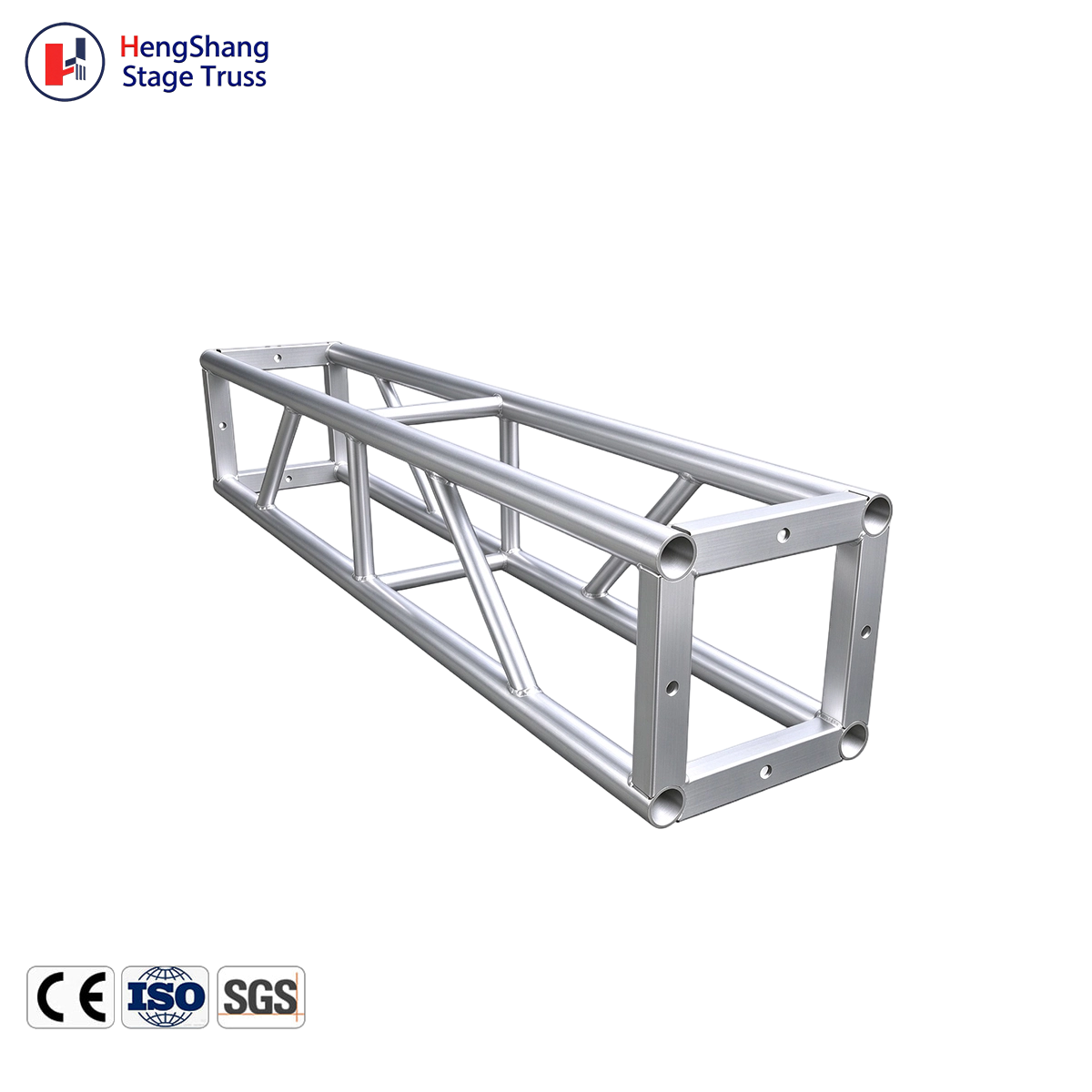
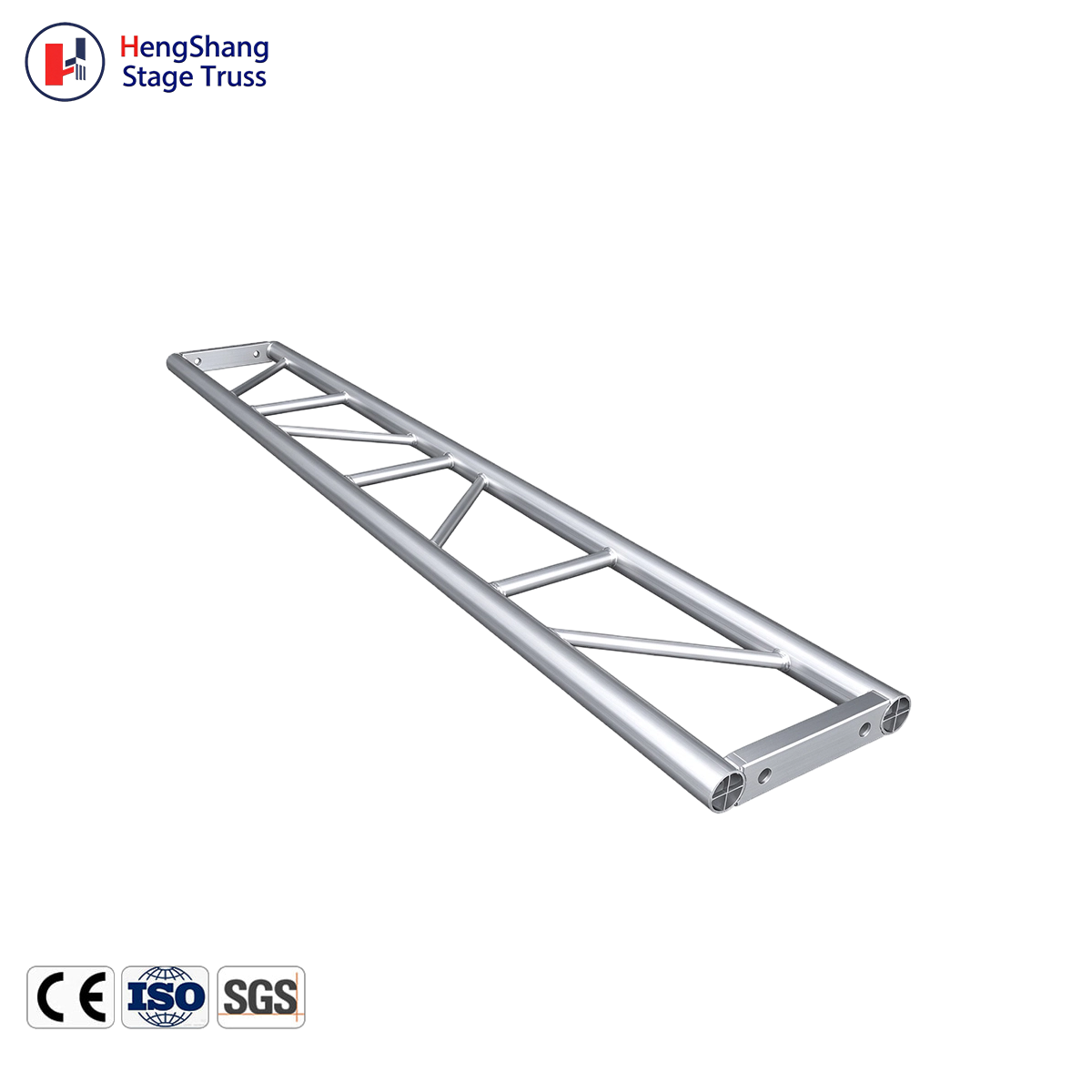
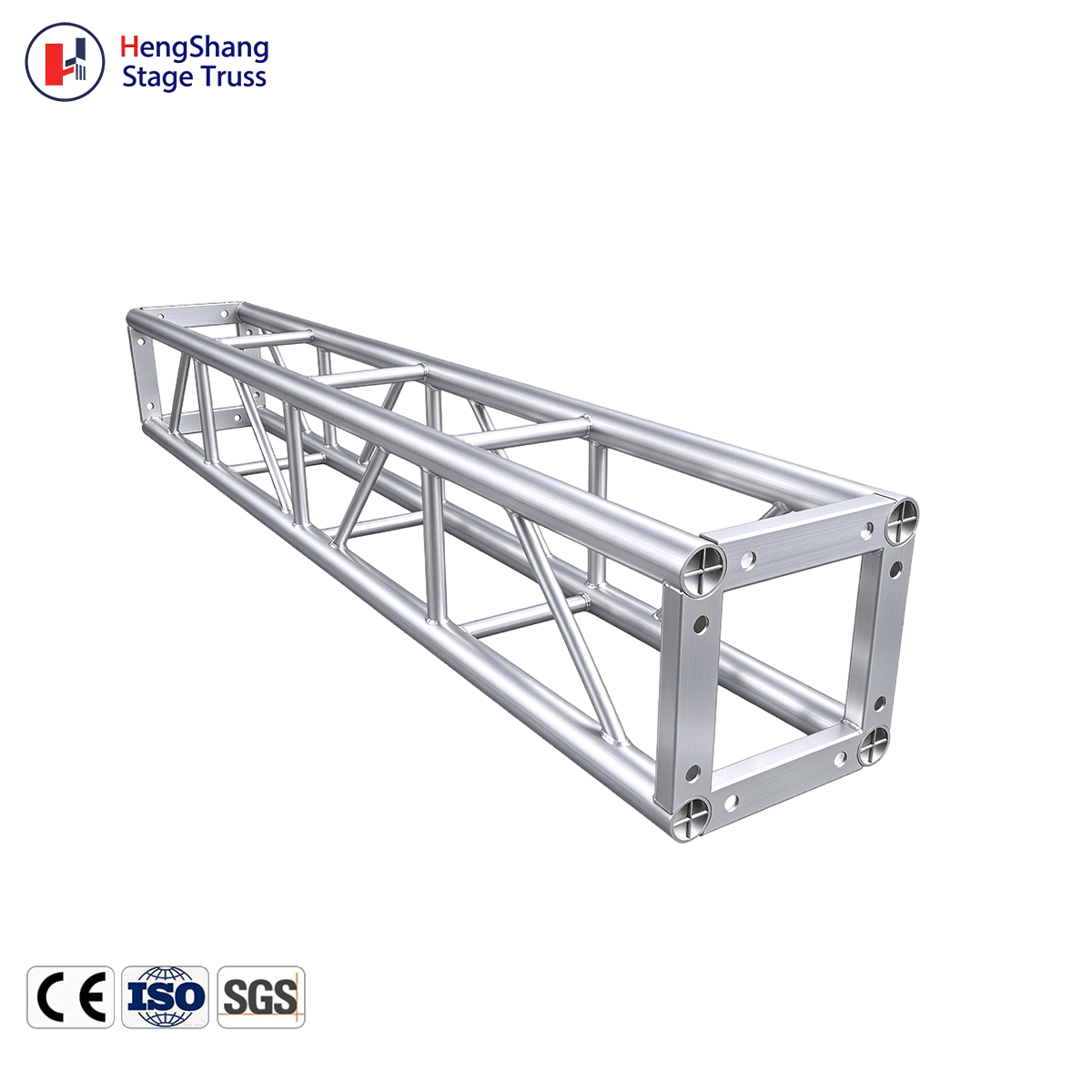
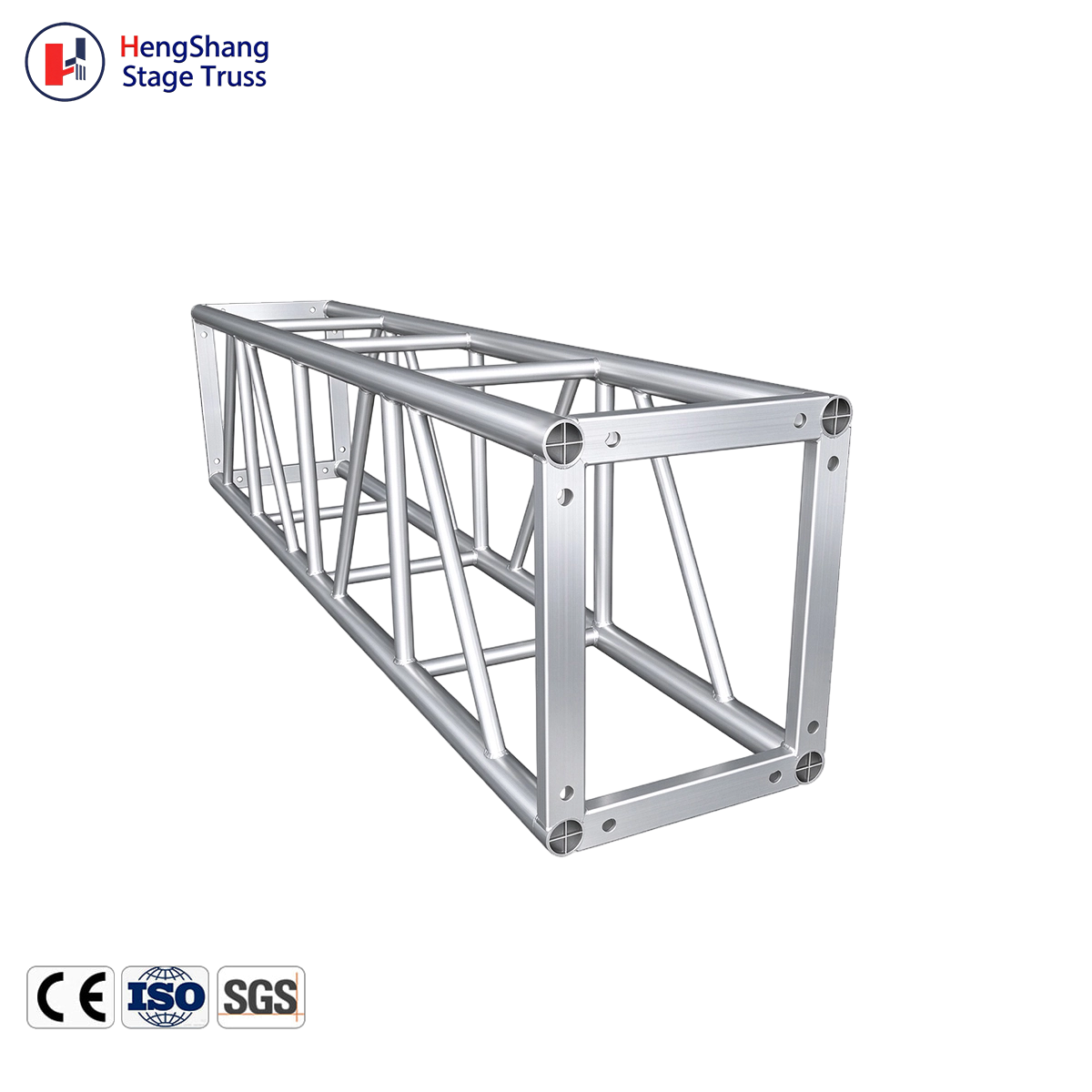
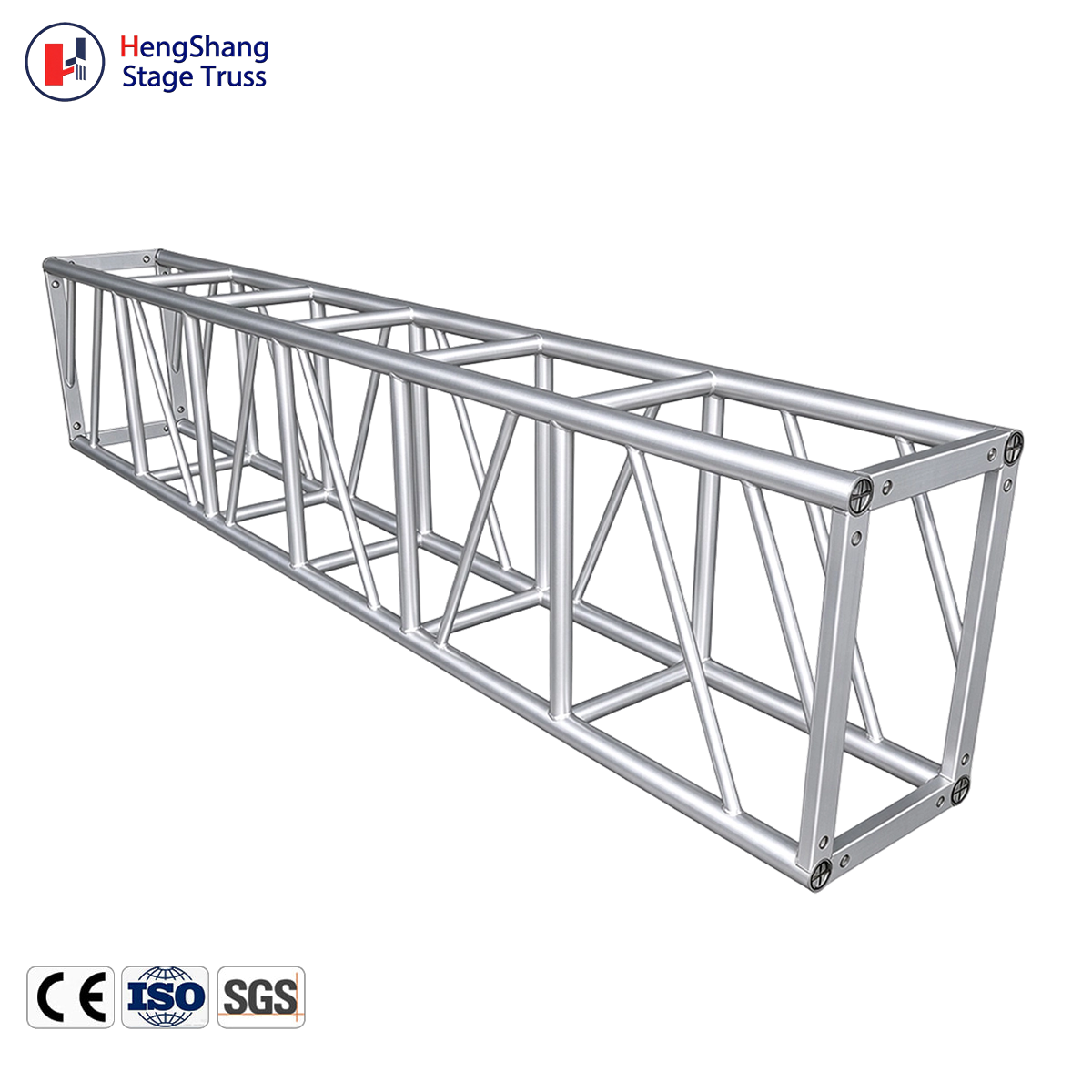
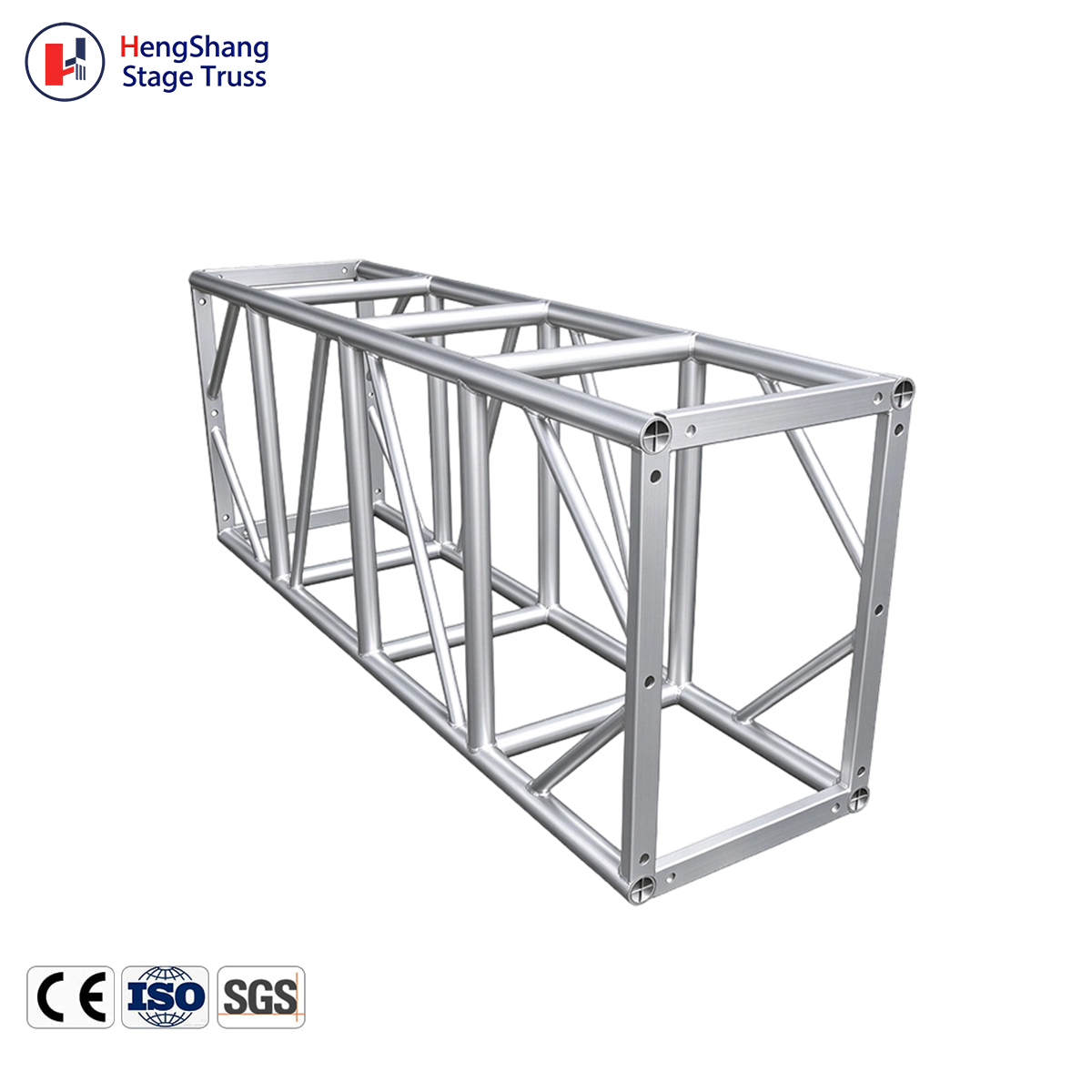
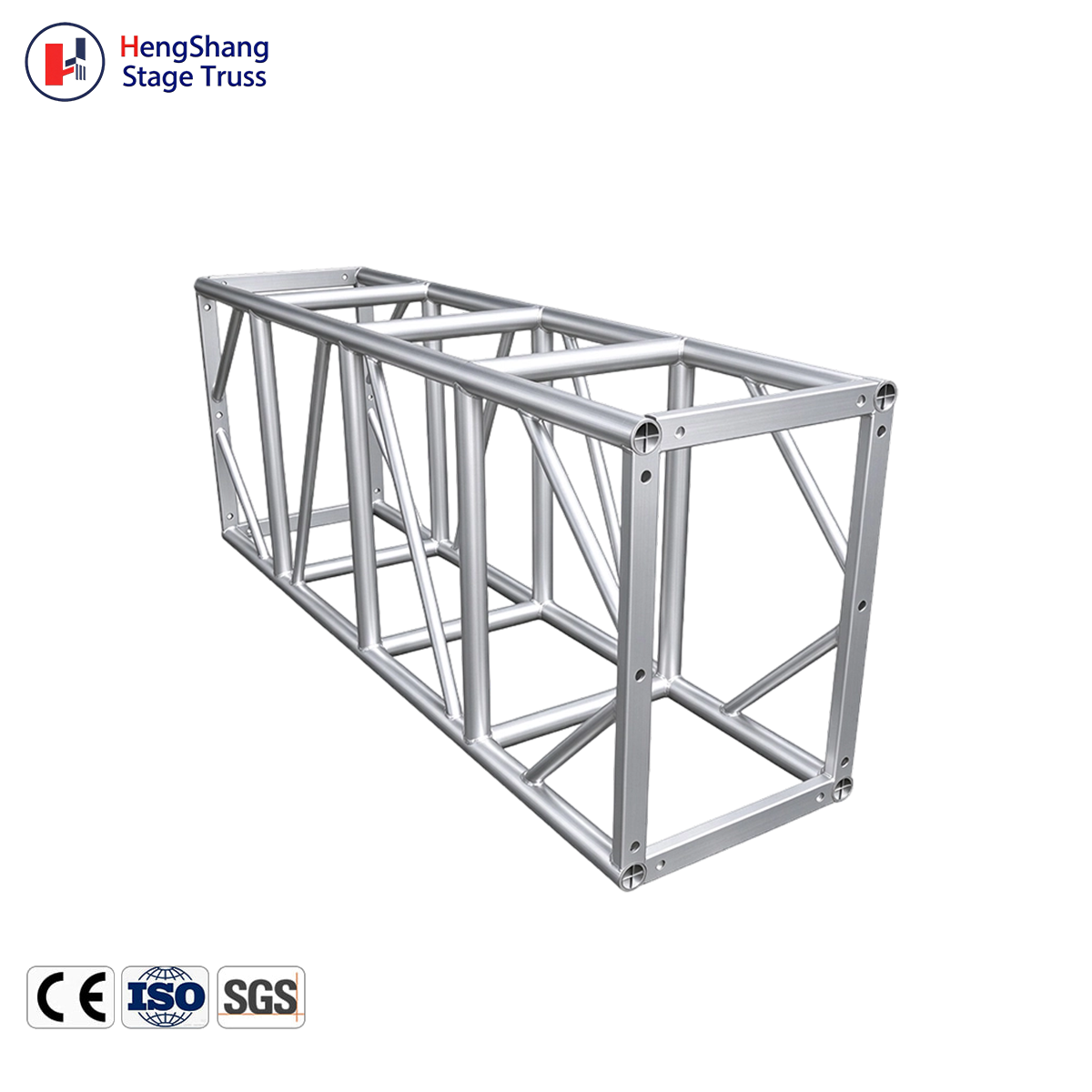
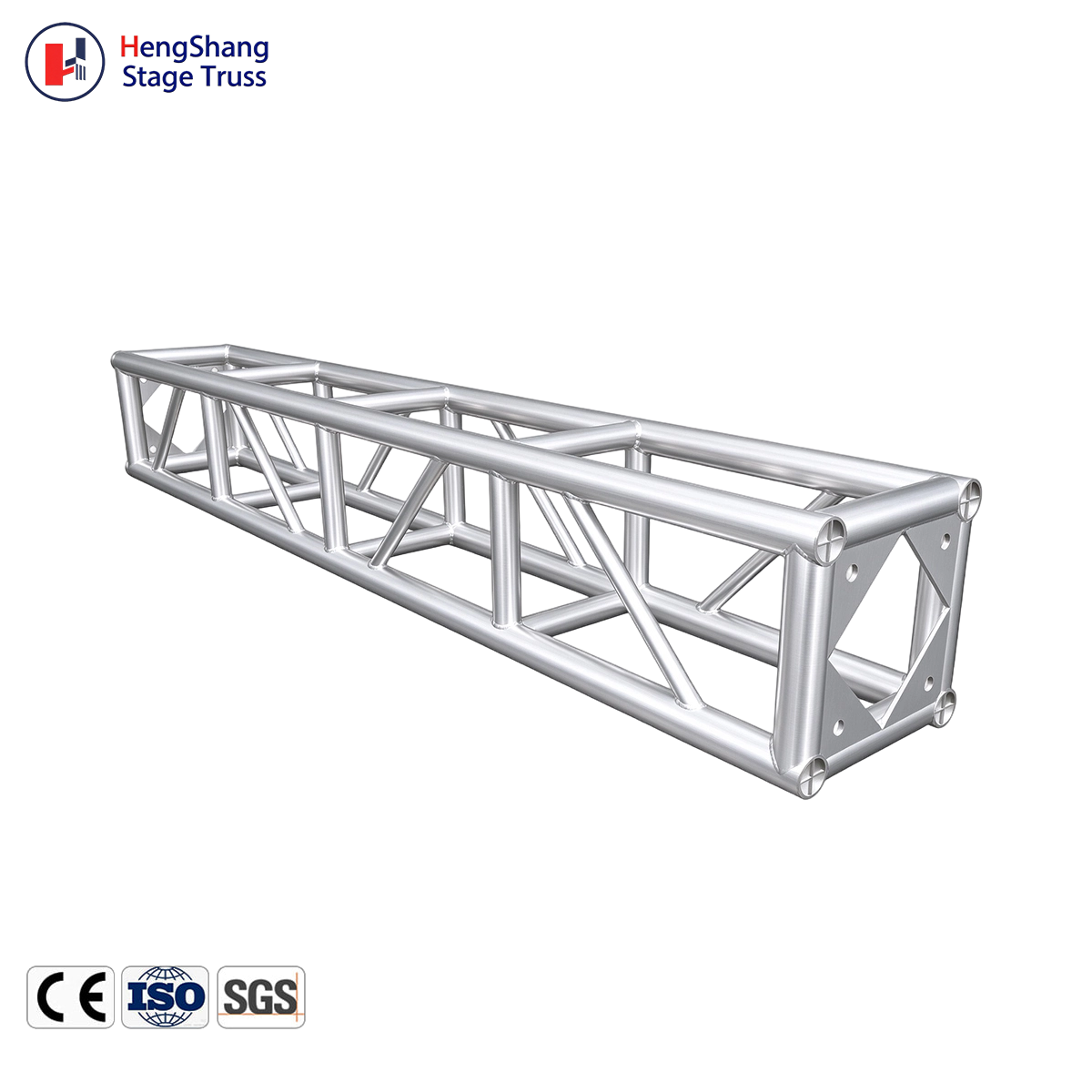
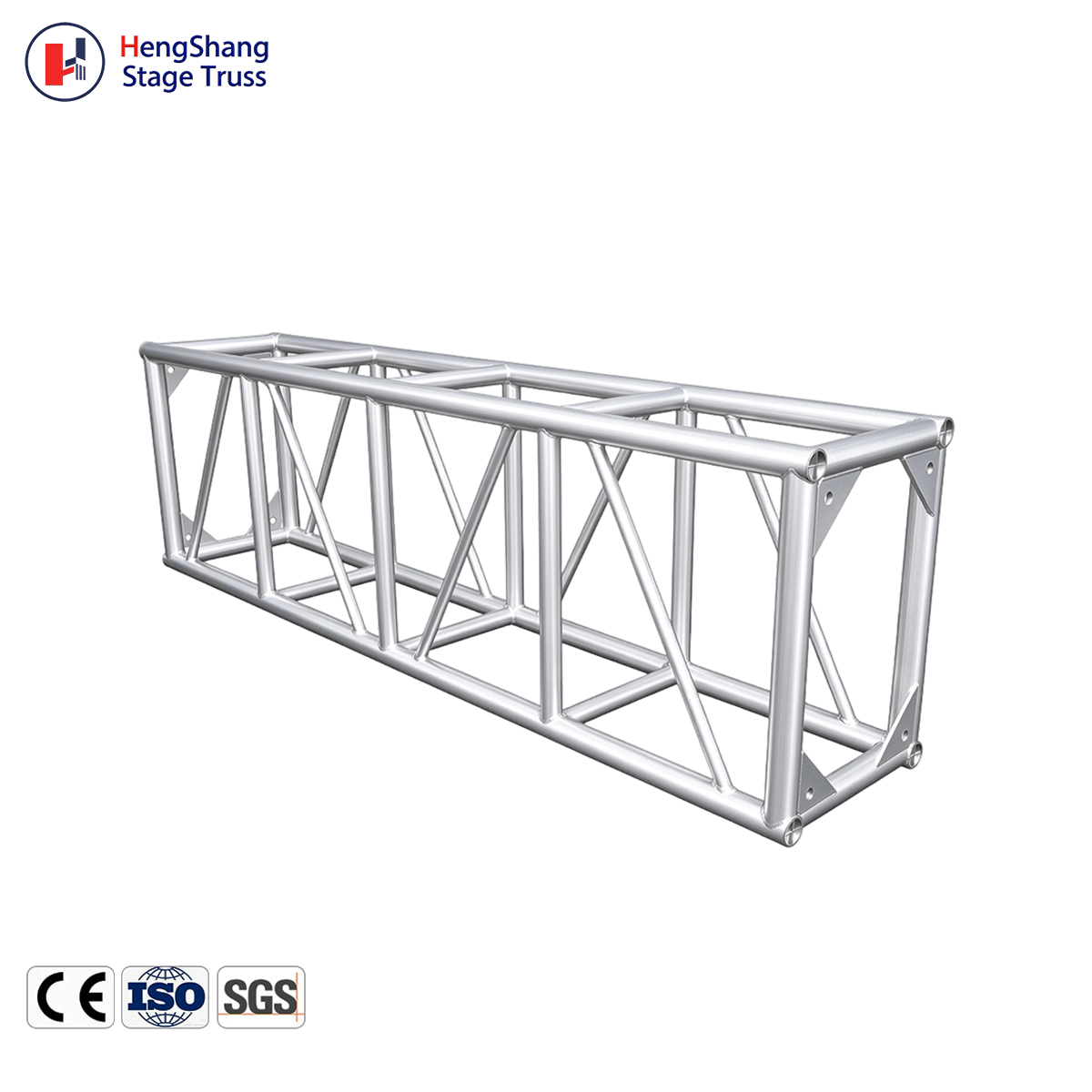
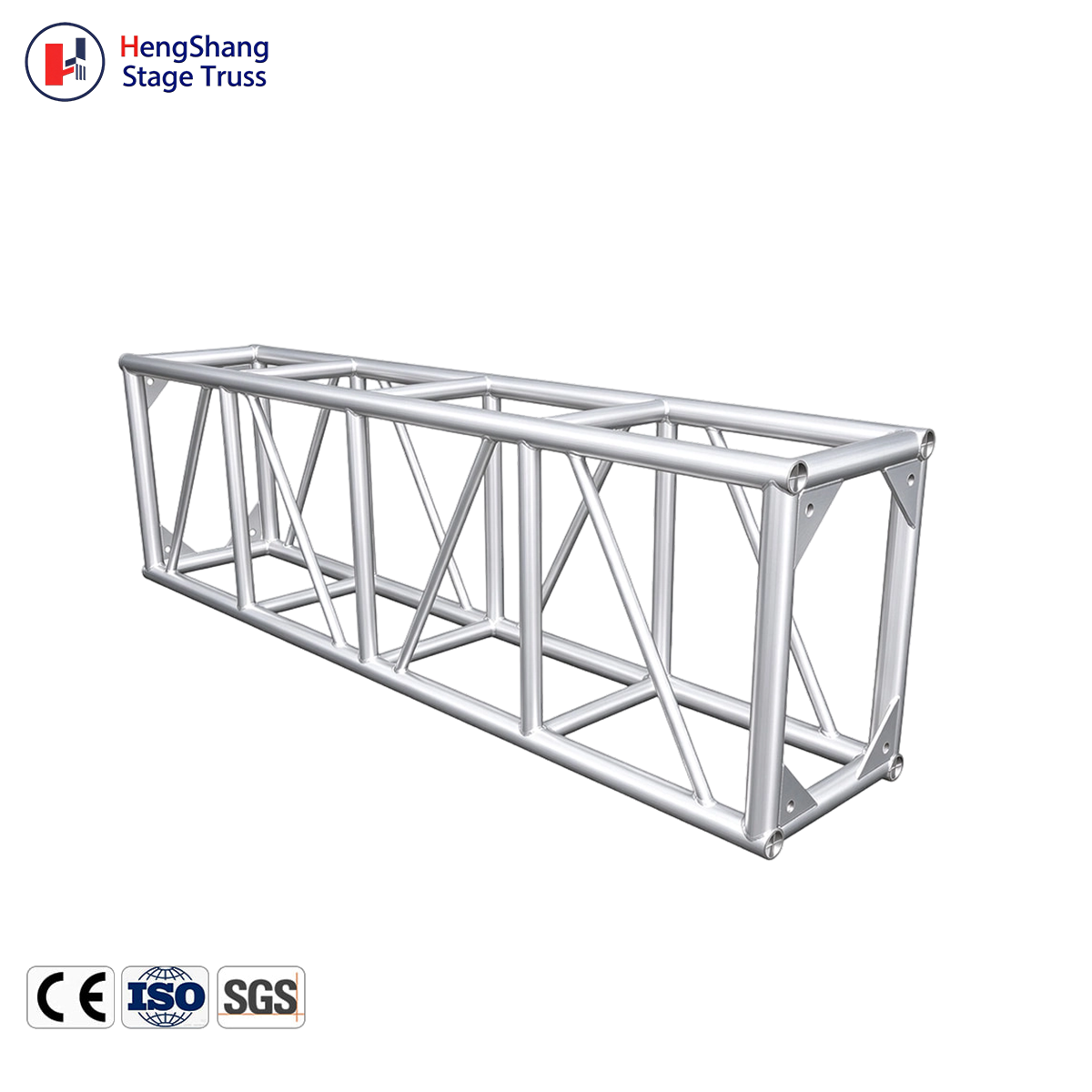
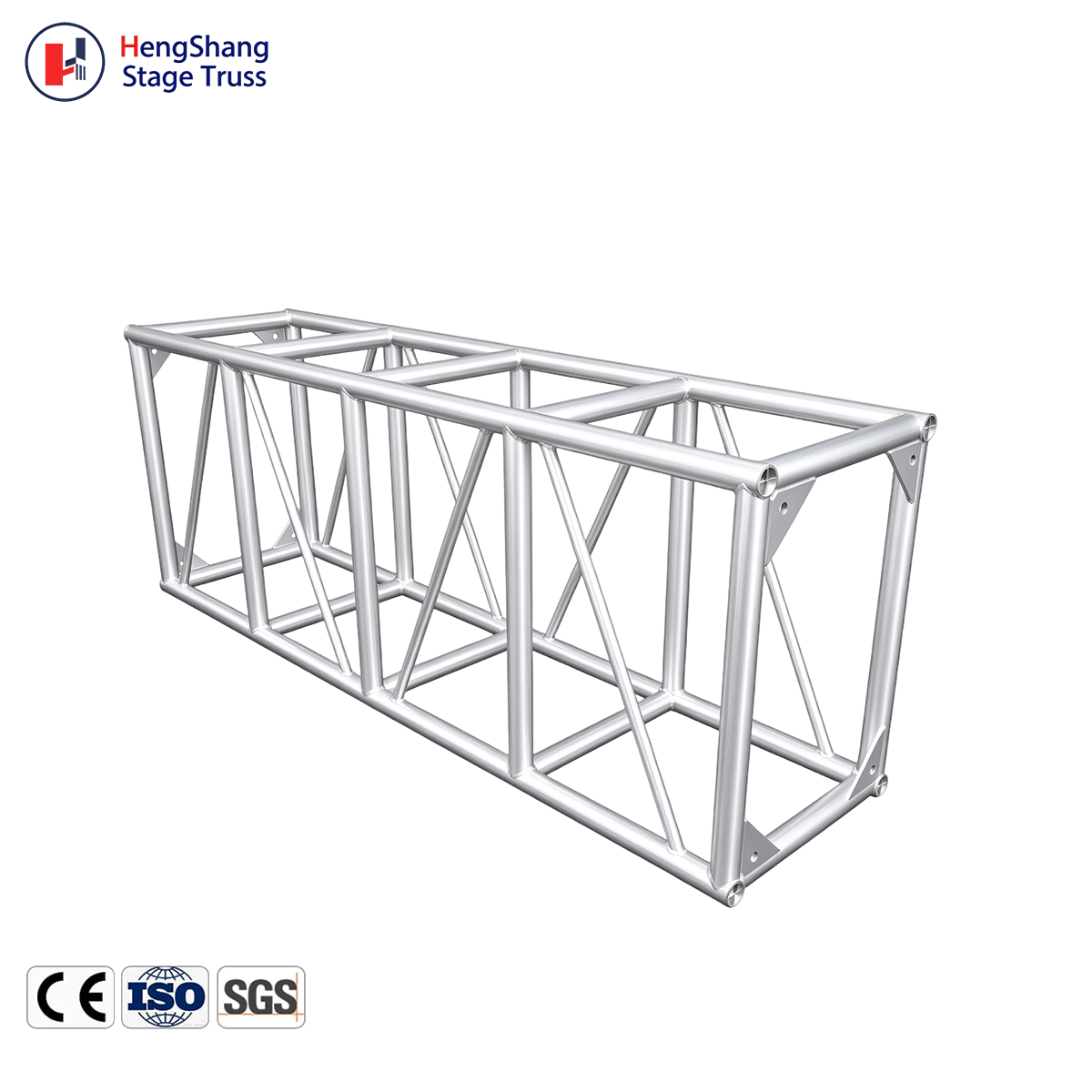
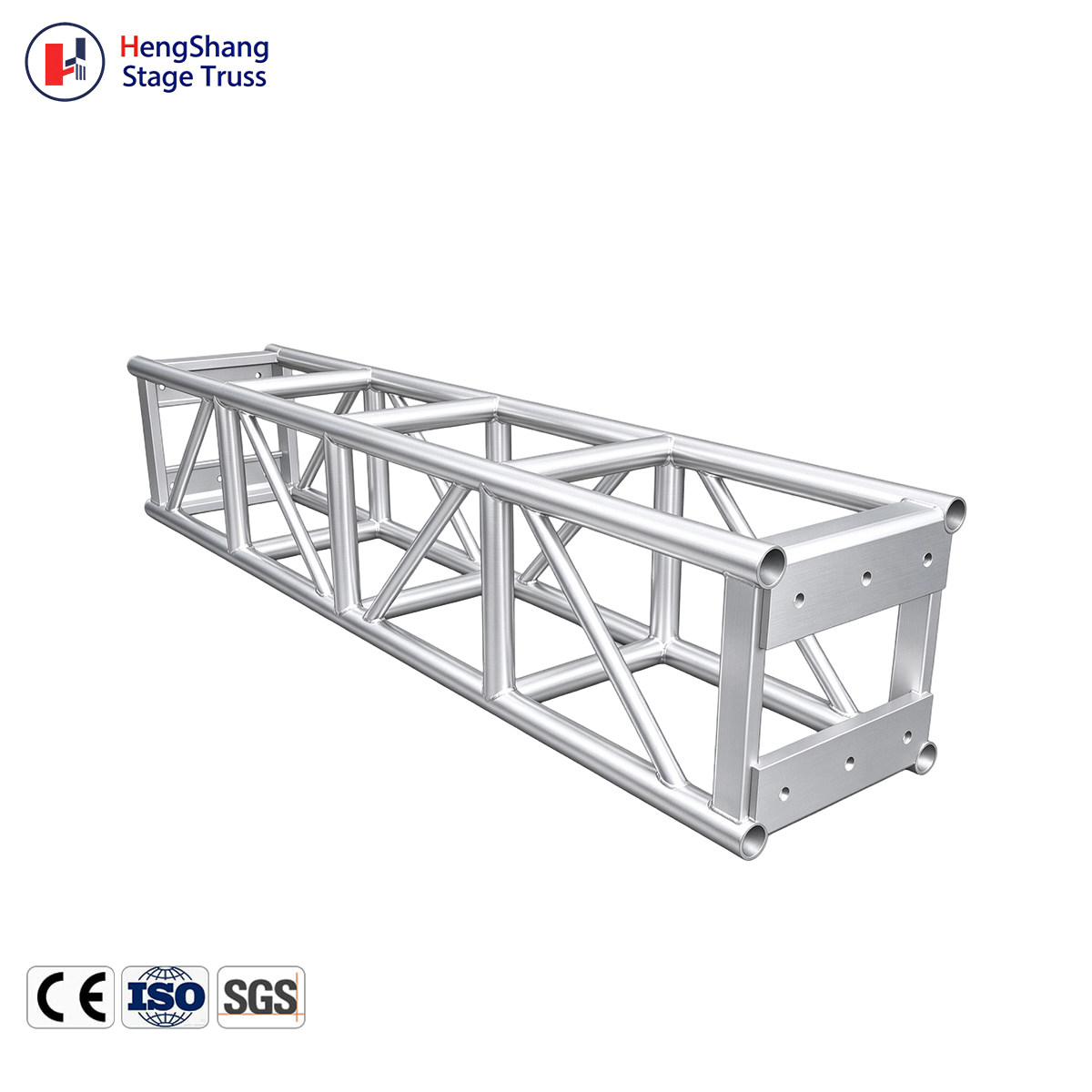
Located on the trusses above the stage—including the box trusses or arched structures mentioned in our previous article—this area serves as the primary hub for the entire lighting system. It houses a concentration of moving-head beam lights, wash fixtures, and pixel-mapping LED strips, used to create aerial beams, dynamic color shifts, and complex visual patterns. The weight and wind-load surface area of all fixtures must be factored into the structural load calculations for the trusses; the movement of fixtures (such as the rotation of moving heads) increases wind load, meaning simple weight-based calculations are insufficient.
3. Side Lighting Zone
Side lighting is used to define the contours of performers and enhance the three-dimensionality of the stage—an approach particularly effective for bands, DJs, and rappers. This zone often employs zoomable wash moving heads, sometimes supplemented by strobe lights or matrix fixtures, to deliver the high-impact, rhythmic visuals characteristic of electronic music festivals.
4. Backlighting / Background Lighting Zone
Positioned behind LED screens or on the rear stage truss, this lighting separates the performers from the background screens, preventing them from visually blending into the screen content. On many arched or uniquely shaped stages, this area frequently incorporates extensive pixel strips or dot-matrix fixtures, which are synchronized with the content on the LED screens to create a cohesive, integrated VJ visual experience. 5. Audience Interaction Lighting Zone (Delay Towers, Side High-Position Lighting Rigs)
Strobe lights, audience blinders, and high-power beam lights directed toward the audience area help energize the atmosphere. Precise control of the projection angles is essential to prevent direct exposure to the audience's eyes, which could cause hazardous glare; for international projects, this aspect is frequently subject to rigorous scrutiny during the local regulatory approval process.
CONTACT US NOW
GET AFREE CONSULTATION
Copyright © Wuxi Hengshang Metal Products Co., Ltd. All Rights Reserved